
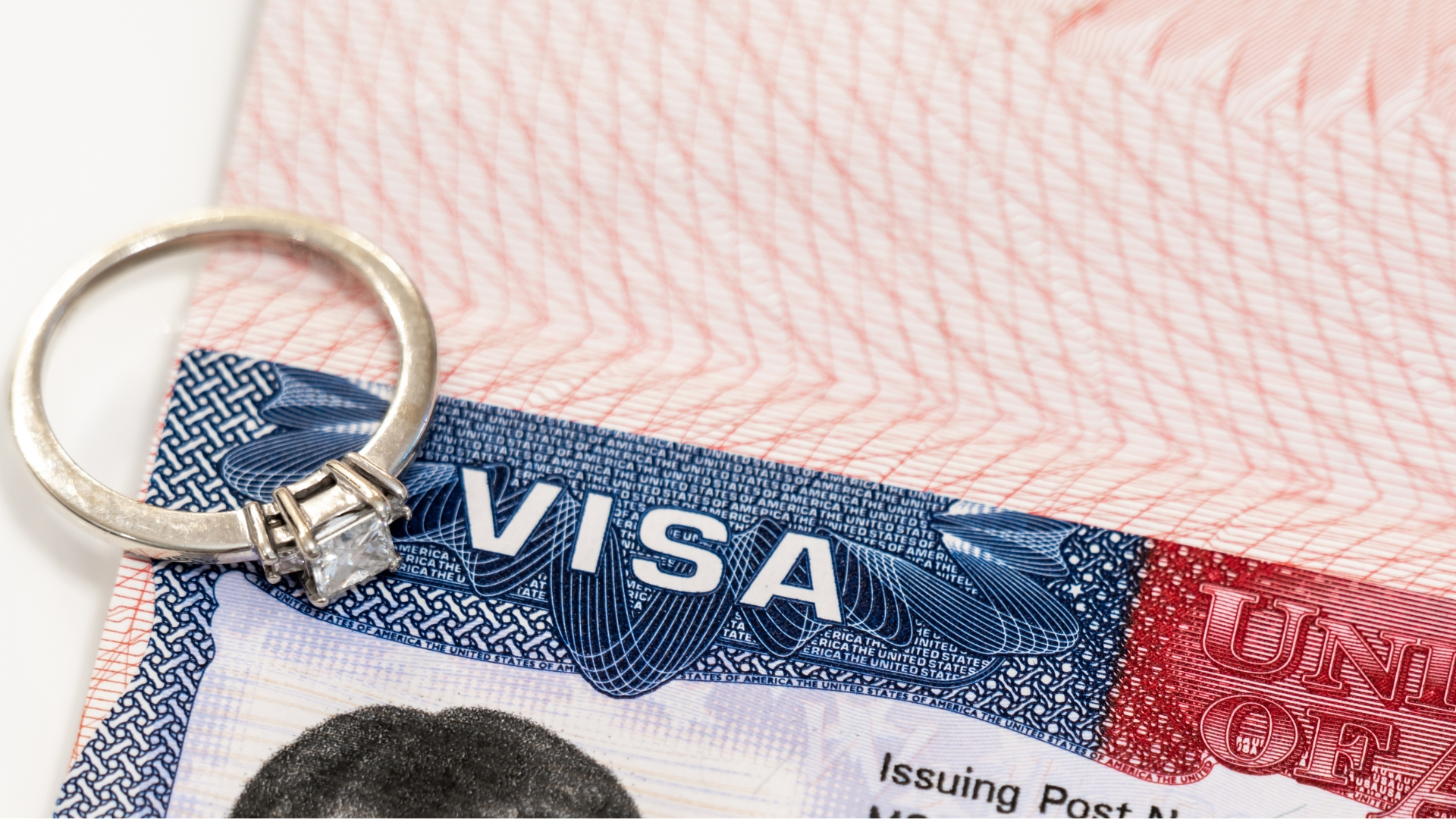
Being deported from the United States can have long-lasting effects on your ability to return, especially if you have plans to marry a U.S. citizen and seek a K-1 visa. The K-1 visa, also known as the fiancé(e) visa, allows a foreign national to come to the U.S. to marry their U.S. citizen partner within 90 days of arrival. However, if you’ve been deported from the U.S., obtaining a K-1 visa can be significantly more difficult, depending on the reasons for your deportation and your immigration history.
If you’re in this situation, it’s essential to understand the challenges you might face, your rights, and what steps you can take to navigate this complex process. This article will break down the potential issues, how deportation affects your eligibility for a K-1 visa, and the options available to overcome these obstacles.
Understanding the K-1 Visa Process
Before diving into the specifics of deportation and its impact, it’s important to have a clear understanding of the K-1 visa process. The K-1 visa is a nonimmigrant visa designed for foreign nationals who are engaged to a U.S. citizen. The main purpose of this visa is to allow the foreign national to enter the United States to marry their U.S. citizen fiancé(e) within 90 days of arrival.
The process to obtain a K-1 visa typically involves the following steps:
-
Filing the Petition: The U.S. citizen fiancé(e) files a petition (Form I-129F) with U.S. Citizenship and Immigration Services (USCIS).
-
Approval and Consular Processing: After USCIS approval, the case is forwarded to the U.S. embassy or consulate in the applicant’s home country for consular processing, which includes an interview and medical examination.
-
Entry into the U.S.: If the visa is approved, the foreign fiancé(e) is allowed to enter the U.S. to marry the U.S. citizen within 90 days.
-
Adjustment of Status: After marriage, the foreign national can apply for adjustment of status (Form I-485) to become a lawful permanent resident (green card holder).
The K-1 visa is designed to allow couples to unite quickly for marriage and begin their life together in the U.S., but if one of the partners has been previously deported, this process can become much more complicated.
How Deportation Affects K-1 Visa Eligibility
Deportation typically means that a person is prohibited from re-entering the U.S. for a specified period, or in some cases, indefinitely. The length of the ban depends on the circumstances surrounding the deportation. When a foreign national has been deported, they may be subject to a bar on re-entry to the U.S. for a number of years, or in extreme cases, a permanent bar.
These bans, particularly the 10-year bar (for those deported after being unlawfully present in the U.S. for over one year), and the permanent bar (for those deported after committing certain offenses or having prior deportations), can make it nearly impossible to obtain a K-1 visa. However, there are exceptions, and there may be ways to overcome these obstacles.
The 3-Year and 10-Year Bars
The 3-year bar and the 10-year bar are two common types of re-entry bars that can be triggered following a deportation. Here’s how they work:
-
3-Year Bar: If you have been unlawfully present in the U.S. for more than 180 days but less than one year, and you are deported or leave the U.S., you could be subject to a 3-year bar on re-entry. This means you cannot return to the U.S. for three years from the date of your departure or deportation.
-
10-Year Bar: If you were unlawfully present in the U.S. for one year or more, and then you were deported, you might face a 10-year re-entry bar. This would prevent you from applying for a visa or re-entering the U.S. for ten years from the date of your departure.
In both cases, you will need to wait out the bar before applying for a K-1 visa. In some situations, you may be eligible to apply for a waiver for the bar, but this process is complex and can require proving that your U.S. citizen fiancé(e) would suffer extreme hardship if you were not allowed to return to the U.S.
Permanent Bar on Re-Entry
A permanent bar may apply if you were deported after committing certain immigration violations, such as overstaying your visa, entering the U.S. illegally, or having multiple deportations. This type of bar can prevent you from ever returning to the U.S., even with a K-1 visa, unless you qualify for a waiver.
The permanent bar is one of the most serious consequences of deportation. If you have been subject to a permanent bar, your options for re-entering the U.S. are extremely limited, and it can take years of legal proceedings to overcome it, if possible.
Waivers of Deportation Bars
In certain cases, a foreign national who has been deported may apply for a waiver to lift the bars to re-entry. For example, a 3-year or 10-year bar may be waived if you can prove:
-
Extreme hardship to your U.S. citizen spouse or fiancé(e) if you are not allowed to return.
-
Forgiveness for specific immigration violations, such as unlawful presence or misrepresentation.
Waivers are not guaranteed and can be a lengthy process, so it’s important to consult with an immigration attorney who can help you build the strongest possible case for your waiver application.
The Role of an Immigration Attorney
Navigating the K-1 visa process after deportation is extremely challenging, but an experienced immigration attorney can help you understand your legal options and guide you through the necessary steps. A lawyer will help assess your specific case and determine whether a waiver of the deportation bar is possible.
If you have been deported, an immigration attorney can:
-
Evaluate your deportation history: Understand the type of bar you face and whether you qualify for a waiver.
-
Guide you through the waiver process: Help you compile evidence of extreme hardship or other factors that might support your waiver application.
-
Assist with your K-1 visa petition: Ensure that your petition is filed correctly and that you meet all the requirements for the K-1 visa.
Working with an attorney increases the chances of success and can help you avoid costly mistakes that could delay or derail your visa application.
Options for Overcoming Deportation Challenges
If you have been deported and are facing difficulties obtaining a K-1 visa, there are still options you may be able to explore. While it may not be an easy path, with the right legal advice and support, you could overcome the challenges you face.
Here are some potential options to consider:
-
Wait for the Bar to Expire: If you are subject to a 3-year or 10-year bar, your first option is often to wait until the bar expires. Once the waiting period is over, you may be able to reapply for the K-1 visa.
-
Apply for a Waiver: If you face a re-entry bar, you may be eligible to apply for a waiver based on extreme hardship to your U.S. citizen fiancé(e). This requires demonstrating that your absence would cause significant difficulty for your partner.
-
Consider Other Visa Options: If the K-1 visa is not an option, you may be able to explore other visa types, such as a spousal visa or even a work visa, depending on your situation.
Conclusion: Moving Forward After Deportation
If you’ve been deported and are seeking to obtain a K-1 visa, the process can be complicated, but not impossible. By understanding the implications of deportation, the potential bars to re-entry, and the available waivers, you can better navigate the legal landscape. Working with an experienced immigration attorney will significantly improve your chances of success and help you make informed decisions about your next steps.
While the journey to reunite with your fiancé(e) may be difficult, with the right legal help, you can overcome these hurdles and move forward with your plans.

