
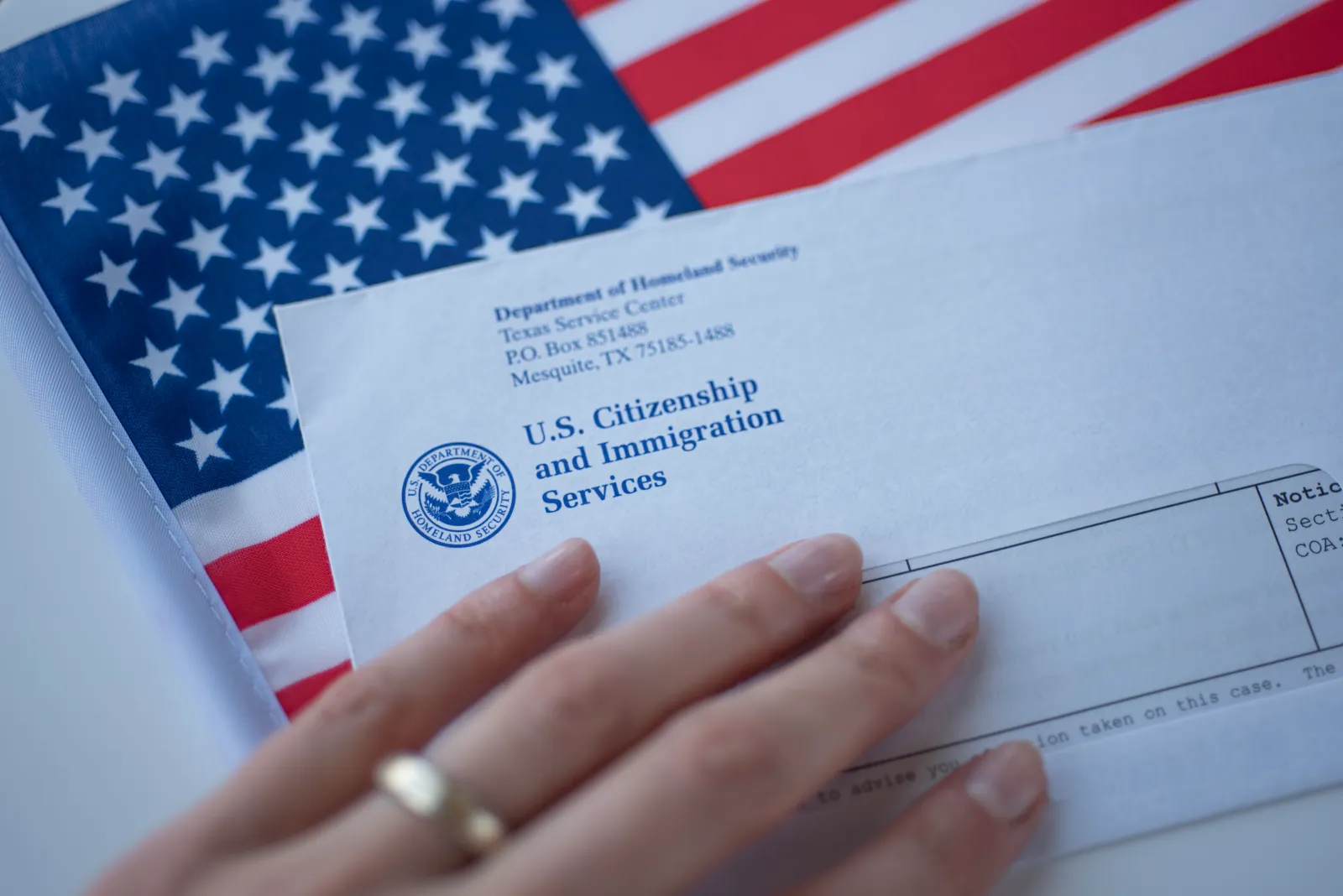
On October 20, 2025, USCIS will roll out a new version of the civics test for naturalization applicants. This updated test increases the number of possible questions, raises the passing threshold, and reflects USCIS’s ongoing effort to ensure applicants demonstrate a strong understanding of U.S. government and history. If you’re planning to file Form N-400—or you already have a case pending—it’s critical to understand how these changes may affect you.
What Is Changing in 2025?
The new test contains 128 civics questions and answers (compared to the 100 questions in the previous version). During the naturalization interview, the USCIS officer will:
- Ask you up to 20 questions from the list of 128.
- You must answer at least 12 correctly (60%) to pass.
This is a tougher requirement than before, when applicants were only asked up to 10 questions and needed 6 correct to pass.
👉 Full list of questions is available here: 2025 USCIS Civics Test (128 Questions and Answers).
Special Consideration for Older Applicants
The 65/20 rule remains in effect. If you are:
- 65 years or older, and
- Have been a lawful permanent resident (green card holder) for 20 years or more,
you only need to study 20 specially marked questions. You will be asked 10 of those, and must answer 6 correctly. You may also take the test in your native language with an interpreter.
How the Test Works
- The civics test is oral. USCIS officers will ask the questions aloud, and you must answer aloud.
- Some answers—such as names of officials—can change due to elections or appointments. USCIS requires you to provide the current name of the official at the time of your interview. Updated information is available at: uscis.gov/citizenship/testupdates.
- While there may be more than one correct answer in real life, USCIS encourages applicants to respond with the answers listed in the study guide.
What Topics Are Covered?
The 128 questions are grouped into three main areas:
- American Government
- Principles of government (e.g., rule of law, separation of powers)
- System of government (Congress, President, Courts)
- Rights and responsibilities of citizens
- American History
- Colonial period and independence
- 1800s history, Civil War, slavery, and key leaders
- Recent history, wars, and civil rights movements
- Symbols and Holidays
- U.S. flag, national anthem, Independence Day
- Federal holidays and their significance
Why USCIS Updated the Test
USCIS periodically reviews the naturalization test to ensure it aligns with educational standards and reflects a broader understanding of U.S. history and civics. By expanding the pool of questions from 100 to 128 and raising the minimum passing score, the agency is signaling its intent to make naturalization a more rigorous process.
Supporters argue this ensures new citizens have a deeper knowledge of U.S. civics. Critics worry it may create additional hurdles for applicants with limited English or educational backgrounds.
How to Prepare
If you plan to apply for naturalization on or after October 20, 2025, you will face the new test. Preparation tips include:
- Download the official study guide: 2025 Civics Test Questions (PDF).
- Practice regularly: Don’t try to memorize all 128 questions at once. Break them down into smaller sets and review daily.
- Use flashcards or apps: USCIS offers free tools and mobile apps to help you study.
- Stay updated: Remember that answers about elected officials change. Always check USCIS’s test updates page.
- Take practice interviews: Rehearse with a family member, friend, or immigration consultant to simulate the oral test format.
Fear, Uncertainty, and Doubt
The biggest concerns about the new test include:
- Higher bar to pass: You now need to correctly answer 12 questions instead of 6.
- More memorization: With 28 additional questions, applicants face more content.
- Language challenges: For those with limited English, longer and more complex questions may feel overwhelming.
- Uncertainty about discretion: USCIS officers have leeway in how they ask questions and how much time they give.
Who Is Exempt From the Civics Test?
Some applicants may qualify for exemptions:
- The 50/20 rule: If you are 50 years old and have lived in the U.S. as a permanent resident for 20 years, you are exempt from the English requirement (but must still take civics in your language).
- The 55/15 rule: If you are 55 years old and have been a resident for 15 years, you are also exempt from the English requirement.
- The 65/20 rule (as noted above) gives a reduced set of civics questions.
Final Thoughts
Starting October 20, 2025, the road to U.S. citizenship will be more demanding. The new civics test requires applicants to study harder, prepare more thoroughly, and demonstrate a deeper understanding of American history and government.
But with careful preparation and the right resources, you can succeed. At US Immigration Consultants, we help clients prepare for every step of the naturalization process—reviewing applications, preparing for interviews, and offering study guidance.
👉 Ready to apply for citizenship? Book a consultation today and let us help you navigate the new 2025 civics test with confidence.

